A Quick Guide to What is Here in Our City: ALPRs, Drones, and FUSUS
Surveillance in Asheville
The Asheville Police Department is increasingly using more and more surveillance technologies to monitor and track residents and visitors to the city and county.
These technologies are described as tools that will increase public safety but there is little, if any, evidence that surveillance can prevent crime or violence.
The following is an overview of a few but not all of the surveillance tools in use in Asheville. This includes automated license plate readers, drones, and the real time crime center.
Surveillance does not mean safety.
Join us in calling for an end to the growing surveillance system in Asheville and investment in public funds towards programs that have been proven to make everyone safer.
ALPRs
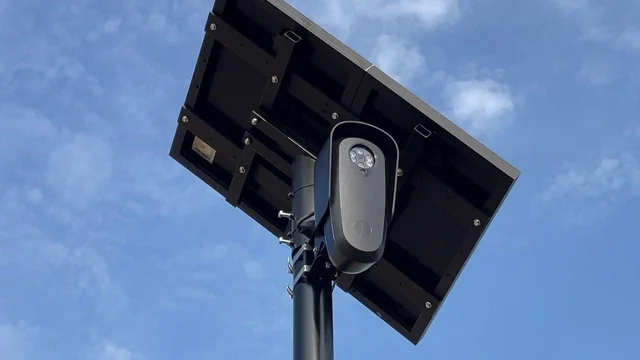
Automated License Plate Readers (ALPRs) are cameras that are either placed on the sides of roads or mounted to police cars. These cameras are always on, taking photos of every passing car, storing not just the license plate number but also the make, model, color, and other identifying features.
Nearly everything within the photo can be searched by police in a software, program, and data is widely shared across the country.
Companies that sell ALPRs include Flock Safety (currently being used by APD), Axon, and Motorola Solutions, among others.
There is no independent research that shows ALPRs have a meaningful impact on public safety.
WHY WE SHOULD KNOW & CARE ABOUT ALPR’S:
There are growing concerns about the use of these technologies around the country over the increasing risk of misuse, privacy violations, and wrongful arrests, along with dubious claims about how they benefit the community.
- ALPR’s do NOT reduce crime
- ALPR’s result in racist policing
- ALPR’s are abused
- ALPR’s lead to dangerous police encounters
- ALPR’s put undocumented people at risk
- ALPR’s collect & store ALL data, regardless of connection to crime
Visit deflock.org/what-is-an-alpr to learn more
Drones
On Jan. 15 2025, the Asheville Police Department (APD) was granted a waiver by the Federal Aviation Administration (FAA). The waiver allows the department to fly drones with no visual observer other than the pilot.
The APD obtained this waiver in the aftermath of Helene claiming that it was to help with cleanup, well beyond the point in time when any of this technology would be considered beneficial.
This technology has been seen by many people in the community, particularly during protest and gatherings for political action.
“When I was at the May Day Rally, there was one of their large drones flying overhead. When I was at a gathering of about 20 people discussing the force and neck-pinning used against Devon Whitmire? Drone overhead. When the city and county teachers associations gathered to demand higher pay? Drone overhead.”
-Dan Pudlo in a letter to the Mountain Xpress
Drones pose serious threats to civil liberties and civil rights as these tools invite warrantless searches.
Police have long used helicopters and other aerial surveillance to monitor communities of color across the country. Drones make this easier.
Asheville residents have reported the presence of police drones at protests and marches, which is a clear violation of a first amendment-protected activity. Some fear drones are purposely be used to create a chilling effect: creating fear among those who wish to make a difference within our community.
Just like ALPRs, police make use of drone data behind closed doors, meaning that oversight and accountability systems will always be inadequate in preventing police from using these tools for nefarious purposes.
RTIC/FUSUS
(Real Time Information Center & Fusus surveillance company based out of Atlanta)
The Asheville City Council approved using Fusus, owned by Axon, as the software and camera system to build out the city’s real-time intelligence center.
A real-time intelligence center is a place where police monitor all of the surveillance tools in place in their jurisdiction. Fusus provides two products to the police.
First, a software system that integrates all of the surveillance system into a map where the police can watch for alerts across the city.
Second, hardware which can integrate security cameras into the police’s camera network.
This hardware allows private camera owners to integrate their cameras into the police network, expanding police surveillance outside of democratic control.
It’s impossible to introduce a real-time information center and protect Black, brown, poor, trans, working class, and other communities from being surveilled by the police. In Ohio, police used Fusus to intensify surveillance of Black public-housing residents.
The use of Fusus means that the police will seek additional surveillance technologies because Fusus’ power is maximized when more technologies are integrated into it.
Ultimately, Fusus does not prevent or deter crime or violence. Fusus and other surveillance tools are reactive, data-collecting technologies which have no proven ability to meaningful improve public safety.
What Now
What you can do:
Inform your friends and neighbors about this tech
Put flyers on Flock Cameras
Contact your City Council Representative
Dismantling these technologies that are enmeshed so deeply in our community is not an easy task, but it can be done!
Print out this information as a zine and share it with others. Or print one already created by the CAMS Team.